Emergencies rarely happen when we expect them. A minor cut at home, an injury during a hiking trip, an accident at a workplace, or a more serious emergency in a tactical environment can all require immediate access to the right first aid supplies.
That is why choosing the right first aid kit is more important than simply buying a bag filled with medical supplies. The ideal kit should match the environment, the type of risks involved, the number of people it may serve, and the level of first aid support required.
For households, businesses, outdoor enthusiasts, emergency response teams, and organizations, selecting an appropriately configured first aid kit can make emergency preparation more practical and organized.
In this guide, we will explain how to choose a first aid kit, what factors to consider, which types of kits are suitable for different situations, and why customization can be important when standard kits do not meet specific requirements.
What Is a First Aid Kit?
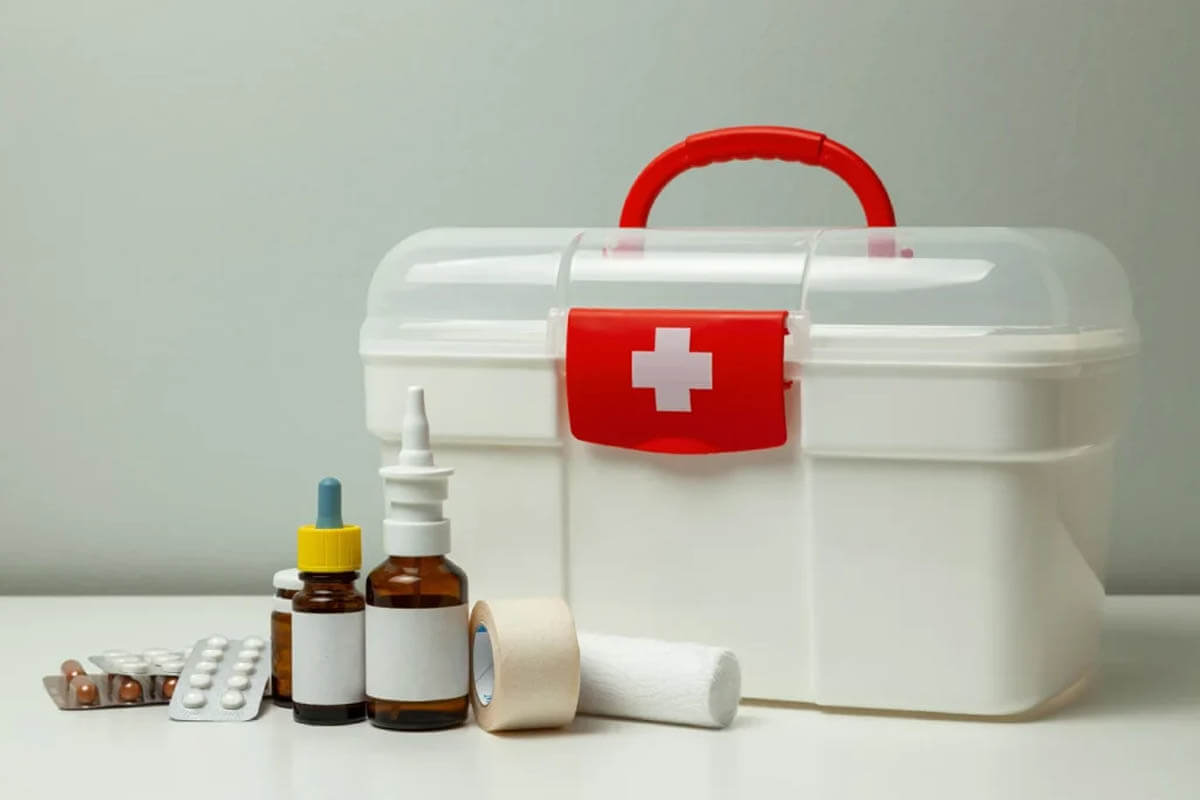
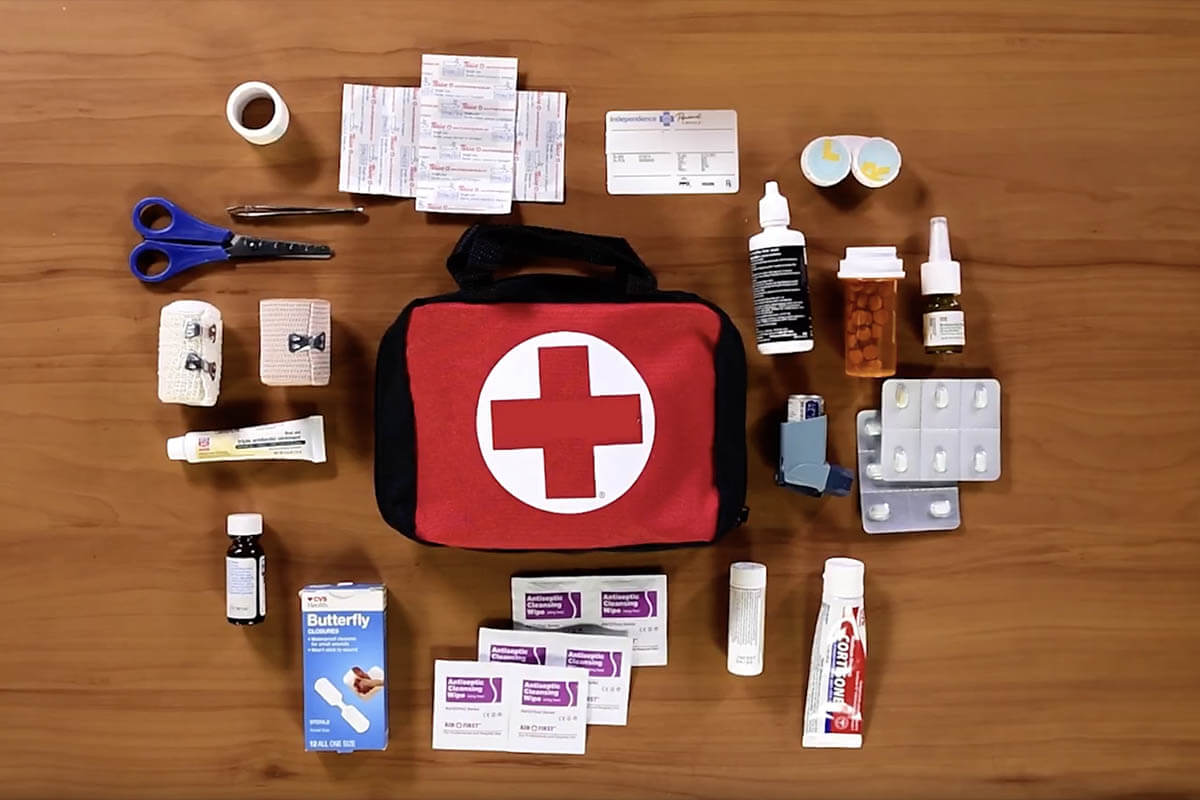
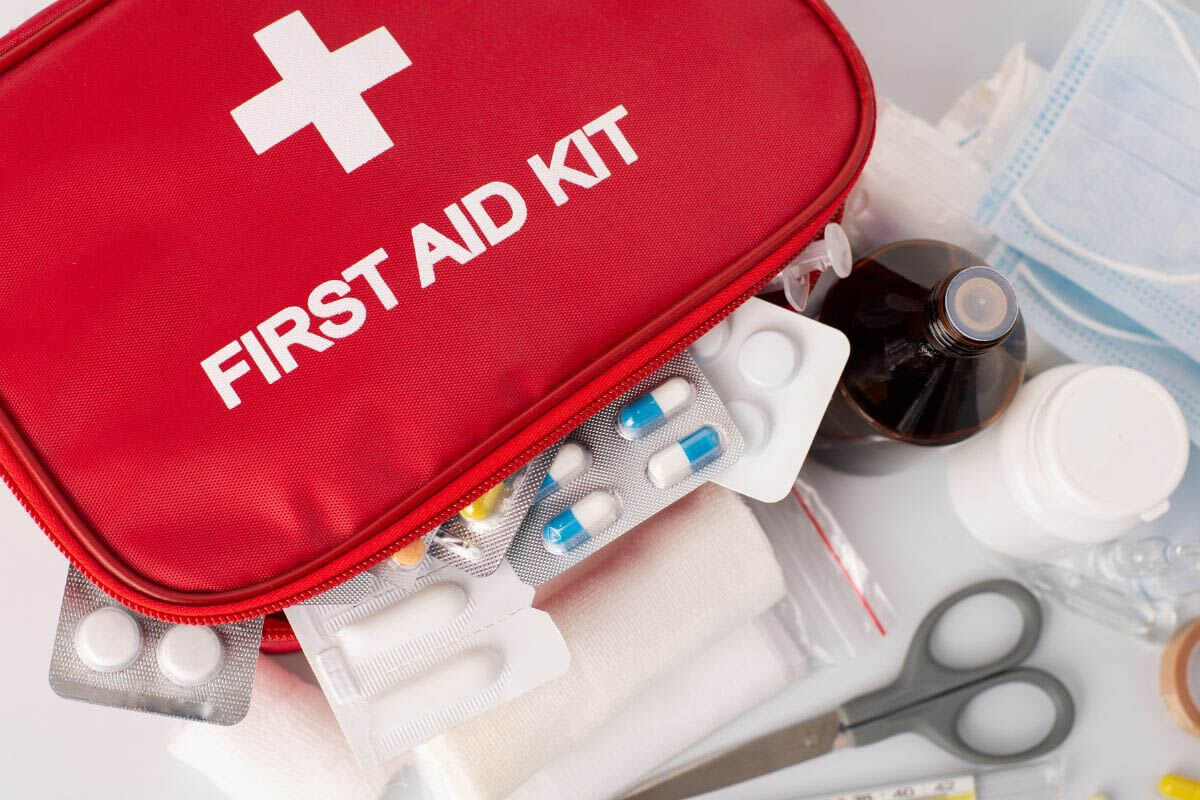
A first aid kit is a collection of supplies and equipment intended to provide initial assistance when someone experiences an injury or other urgent medical situation.
Depending on its intended use, a kit may contain items such as:
- Adhesive bandages
- Sterile gauze
- Medical bandages
- Emergency dressings
- Disposable gloves
- Antiseptic or wound-care supplies
- Scissors
- Emergency blankets
- Tourniquets
- Hemostatic gauze
- Chest seals
- Other application-specific first aid accessories
The contents should not be identical for every environment. A household kit, for example, may be designed around common everyday injuries, while a tactical or professional emergency kit may require more specialized equipment.
Risenmed’s current first aid kit range includes military and household first aid kits, along with accessories such as emergency bandages, CAT tourniquets, hemostatic gauze, bandage shears, skin markers, and emergency blankets.
This difference in application is the foundation for choosing the right first aid kit.
Why Choosing the Right First Aid Kit Matters
A first aid kit is most useful when its contents are appropriate for the situations in which it will be used.
Imagine keeping a small household first aid box in a vehicle used for long-distance outdoor activities. While the basic supplies may be useful, the kit may not provide the storage capacity, portability, or specialized equipment required for outdoor emergencies.
Likewise, using a large tactical kit in a home environment may provide unnecessary equipment while making everyday supplies less accessible.
Choosing the right kit helps you:
1. Prepare for likely emergencies
Different environments create different risks. Identifying those risks before selecting a kit makes emergency preparation more effective.
2. Keep essential supplies organized
A well-designed kit keeps supplies together and makes them easier to locate when needed.
3. Improve portability
Travel, outdoor, and tactical applications often require compact and easy-to-carry solutions.
4. Match the needs of your users
A kit designed for a family may have very different requirements from one intended for professional responders or workplace teams.
5. Support better preparedness
Having appropriate supplies available can help people respond to injuries while professional medical assistance is being arranged when necessary.
1. Start by Identifying Where the Kit Will Be Used
The first question to ask is simple:
Where will the first aid kit be used?
The environment should influence the kit’s size, construction, contents, and portability.
Consider whether the kit will be used in:
- A home
- Office or workplace
- Vehicle
- School
- Construction site
- Factory
- Hiking or camping environment
- Travel
- Military or tactical operations
- Emergency response
- Outdoor recreation
Once the application is clear, it becomes much easier to determine what type of kit is appropriate.
2. Choose a Home First Aid Kit for Everyday Emergencies
A home first aid kit is designed for common injuries and basic emergency situations that may occur in everyday life.
Homes with children, elderly family members, or active lifestyles may benefit from keeping essential first aid supplies in an easily accessible location.
A home kit may include supplies for situations such as:
- Minor cuts
- Scrapes
- Small wounds
- Basic dressing needs
- Minor burns
- Everyday household injuries
Risenmed’s current product range includes household first aid kits, including EVA-based cases designed to be easy to identify and capable of protecting the supplies stored inside.
When choosing a home kit, look for:
- Easy-to-open storage
- Clear organization
- Durable case construction
- Appropriate basic supplies
- Compact storage
- Easy accessibility
The most important factor is not simply having a large number of products. It is having the right products in an organized format.
3. Consider a Workplace First Aid Kit
Workplaces can have very different safety requirements depending on the industry.
An office environment may primarily need supplies for minor everyday injuries, while a factory, warehouse, construction site, laboratory, or industrial facility may face different hazards.
When choosing a workplace first aid kit, consider:
- The type of work performed
- Number of employees
- Workplace size
- Potential injury risks
- Number of locations
- Accessibility
- Storage requirements
- Applicable workplace safety requirements
For businesses, it can also be useful to maintain multiple kits in strategically accessible locations rather than relying on a single kit.
Organizations should also review their applicable local regulations and workplace safety requirements when determining what their first aid provisions should contain.
4. Choose an Outdoor First Aid Kit for Travel and Adventure
Outdoor environments create additional challenges.
When hiking, camping, trekking, traveling, or participating in outdoor activities, people may be far from immediate medical facilities. A first aid kit therefore needs to balance portability, durability, accessibility, and appropriate contents.
A good outdoor first aid kit should ideally be:
- Lightweight
- Compact
- Easy to carry
- Durable
- Easy to identify
- Resistant to everyday outdoor conditions
- Organized for quick access
Outdoor users should also consider the duration and location of the trip.
A short local hike may require a different kit from a multi-day expedition in a remote environment.
The key principle is:
The farther you are from professional medical assistance, the more carefully your emergency preparedness should be planned.
5. Consider a Car or Vehicle First Aid Kit
Vehicles are another practical location for a first aid kit.
A vehicle kit can be useful during:
- Road trips
- Long-distance travel
- Daily transportation
- Outdoor excursions
- Emergency roadside situations
The kit should be compact enough to store securely while remaining easy to access.
When selecting a vehicle first aid kit, consider:
- Storage space
- Temperature exposure
- Portability
- Visibility
- Organization
- Intended travel conditions
For commercial fleets and transportation businesses, customized vehicle first aid kits can also provide a consistent solution across multiple vehicles.
6. Tactical and Military First Aid Kits Require Different Considerations
A tactical first aid kit is designed around more demanding environments where portability, accessibility, organization, and specialized emergency supplies can become especially important.
Risenmed currently offers military first aid kit models with different bag designs and configurations. Its product information also describes accessories such as tourniquets, gauze, chest seals, and emergency bandages for specialized first aid applications.
When evaluating a tactical or military kit, consider:
Accessibility
Supplies should be easy to reach when time matters.
Portability
The kit should be practical to carry as part of the user’s equipment.
Storage organization
Different compartments can help keep supplies organized.
Durability
The bag or case should be appropriate for the intended operating environment.
Custom configuration
Different teams and applications may require different contents.
Risenmed notes that its first aid kit accessories can be customized according to customer requirements.
7. Look at the Contents, Not Just the Bag
A common mistake when buying a first aid kit is focusing primarily on the appearance of the case.
The bag is important, but the contents are even more important.
Before purchasing a kit, review:
- What supplies are included?
- Are the contents suitable for the intended application?
- Are there enough essential supplies?
- Are specialized items required?
- Can the contents be customized?
- Are replacement supplies available?
For example, a tactical kit may require a very different configuration from a household kit.
Risenmed’s current product information lists different first aid accessories, including emergency bandages, CAT tourniquets, hemostatic gauze, chest seals, bandage shears, and emergency blankets.
This illustrates why selecting a kit based solely on its external appearance is not enough.
8. Check the Size and Storage Capacity
Size is another important consideration.
A larger kit can hold more supplies, but it may be less convenient to carry. A smaller kit can be highly portable but may have limited capacity.
The right balance depends on the application.
Ask yourself:
Do I need maximum portability or maximum storage capacity?
For example:
| Application | Typical Priority |
|---|---|
| Home | Organization & accessibility |
| Workplace | Capacity & accessibility |
| Vehicle | Compact storage |
| Travel | Portability |
| Outdoor | Lightweight & durable |
| Tactical | Accessibility & specialized configuration |
| Industrial | Capacity & application-specific contents |
There is no universal “best” size for every first aid kit.
9. Consider Custom First Aid Kits for Business
Standard first aid kits are useful for many situations, but businesses often have requirements that do not fit a standard configuration.
This is where custom first aid kits become valuable.
Businesses can potentially customize:
- Bag or case design
- Color
- Logo
- Packaging
- Product combination
- Kit contents
- Labels
- Internal organization
- Quantity
- Market-specific requirements
For distributors and brands, customization can also help create products that are better aligned with their target market.
Risenmed’s current first aid kit information states that kit accessories and configurations can be customized.
For organizations ordering in volume, discussing requirements with the manufacturer before production can help create a more appropriate solution.
10. Choose a Reliable First Aid Kit Manufacturer
If you are purchasing first aid kits for personal use, choosing a suitable retail product may be enough.
However, businesses, distributors, healthcare suppliers, government organizations, and brands often need a reliable first aid kit manufacturer or supplier.
Important factors to evaluate include:
Manufacturing capability
Can the supplier consistently produce the required products and quantities?
Product range
Does the manufacturer offer different kit types and accessories?
Customization
Can they adapt the kit according to your specifications?
Quality control
Does the supplier have appropriate production and quality processes?
Certifications and documentation
Ask what certifications and documentation apply to the specific products you intend to purchase.
Communication
A responsive supplier can make product development and ordering much easier.
Delivery capability
Consider lead times, packaging, shipping methods, and international logistics.
Risenmed currently positions itself as a first aid kit manufacturer in China and states that it supplies both first aid kits and related accessories, with customization available for different requirements.
11. Think About Kit Maintenance
Buying a first aid kit is not the end of emergency preparation.
Kits should be periodically checked to make sure:
- Supplies are still present
- Packaging is intact
- Expired products are removed
- Used products are replaced
- The kit remains appropriate for its intended application
- The storage location is still accessible
Businesses may also benefit from assigning responsibility for periodic inspection.
A kit that was complete when purchased may not remain complete after supplies have been used.
12. Don’t Forget Training and Emergency Planning
A first aid kit is a tool, not a substitute for appropriate training or professional medical care.
People responsible for workplace, outdoor, tactical, or emergency preparedness should consider appropriate first aid training and emergency procedures in addition to having supplies available.
For serious injuries or medical emergencies, appropriate emergency medical services should be contacted as soon as possible.
The goal of a first aid kit is to support appropriate initial response—not to replace qualified medical professionals.
How to Choose the Right First Aid Kit: Quick Checklist
Before purchasing a first aid kit, ask these questions:
Application
- Where will the kit be used?
- What types of emergencies are reasonably expected?
Users
- Who will use the kit?
- How many people might it need to support?
Contents
- Does it contain the right supplies?
- Are specialized products required?
Design
- Is the case durable?
- Is it easy to identify?
- Is everything organized?
Portability
- Does the size match the application?
- Is it easy to carry or store?
Customization
- Do you need custom contents?
- Do you need your company logo or packaging?
Supplier
- Does the manufacturer have suitable production capabilities?
- Can they provide documentation and product information?
- Can they support your required quantity and delivery schedule?
Answering these questions can help you narrow down the right solution.
Standard vs. Custom First Aid Kits
There are situations where a standard first aid kit is the most convenient choice.
For example, a family may simply need a compact home kit for common everyday injuries.
Businesses and organizations, however, may have more specific requirements.
Standard First Aid Kit
Best for:
- Home users
- Basic emergency preparedness
- Travel
- General outdoor activities
- Simple workplace applications
Custom First Aid Kit
Best for:
- Distributors
- Brands
- Corporate buyers
- Government organizations
- Industrial businesses
- Tactical teams
- Specialized applications
- Private-label products
A custom kit allows the configuration to be developed around the actual requirements instead of forcing the application into a predetermined product.
Final Thoughts
Choosing the right first aid kit is ultimately about matching the kit to the situation.
There is no single first aid kit that is perfect for every environment. A household kit, workplace kit, outdoor kit, vehicle kit, and tactical kit can all have different priorities.
Start by identifying where the kit will be used, what risks are most relevant, who will use it, and what supplies are appropriate. Then evaluate the kit’s contents, size, portability, durability, organization, and customization options.
For businesses and professional buyers, working directly with an experienced first aid kit manufacturer can provide additional flexibility, especially when customized contents, packaging, branding, or larger-volume supply are required.
Risenmed currently provides military and household first aid kit solutions as well as a range of first aid accessories, and its product information indicates that kit configurations can be customized to customer requirements.
Whether you need a practical home kit, an outdoor emergency solution, a tactical first aid kit, or a customized product for your business, the most important step is to choose a solution that is designed around the environment in which it will actually be used.
Need a customized first aid kit for your business or organization?
Explore Risenmed’s first aid kit solutions or contact the team to discuss your requirements.
FAQ
What should I consider when choosing a first aid kit?
Consider the intended environment, potential risks, number of users, kit contents, portability, storage capacity, durability, and whether customization is required.
What is the difference between a home and tactical first aid kit?
A home first aid kit is generally designed for common household injuries, while a tactical kit is configured for more demanding environments and may include specialized emergency supplies.
Can first aid kits be customized?
Yes. Depending on the manufacturer, kit contents, packaging, bag design, branding, and configuration may be customized according to specific requirements.
What should be included in an emergency first aid kit?
The contents depend on the intended application. Common supplies may include dressings, gauze, bandages, gloves, scissors, and other appropriate first aid accessories. Specialized kits may require additional equipment.
How often should a first aid kit be checked?
First aid kits should be checked regularly and after use to ensure supplies are present, packaging is intact, and products that are expired or depleted are replaced.