How to Build a Reliable First Aid Kit for Workplace Safety
Workplace safety is about more than preventing accidents. It is also about being prepared to respond appropriately when an unexpected injury occurs.
Whether you operate an office, warehouse, factory, construction site, logistics center, workshop, or other workplace environment, having appropriate first aid supplies readily available is an important part of emergency preparedness.
A well-planned workplace first aid kit gives employees access to essential supplies when they are needed and helps organizations maintain a more organized approach to workplace emergencies.
However, not every workplace needs the same first aid kit.
An office may primarily deal with minor cuts, scrapes, and everyday injuries, while a manufacturing facility or construction site may face significantly different risks. For this reason, choosing a workplace first aid kit should begin with understanding the working environment, potential hazards, number of employees, and expected applications.
In this guide, we explore the key factors businesses should consider when building or selecting a reliable workplace first aid kit.
Why Every Workplace Needs a First Aid Kit
Even workplaces with strong safety procedures cannot eliminate every possible accident.
Employees may experience:
- Minor cuts and abrasions
- Scrapes
- Burns
- Sprains
- Workplace-related injuries
- Unexpected medical situations
- Outdoor or transportation-related incidents
Having essential first aid supplies available can support an appropriate initial response while professional medical assistance is arranged when necessary.
A workplace first aid kit also helps employees know where emergency supplies are located instead of searching for individual products during a stressful situation.
The objective is simple:
Keep appropriate first aid supplies accessible, organized, and ready for use.
1. Start With a Workplace Risk Assessment
Before buying a first aid kit, consider the actual environment where it will be used.
Ask:
- What type of work is performed?
- What equipment is used?
- Are employees working with machinery?
- Are chemicals or hazardous materials present?
- Are employees working outdoors?
- How large is the workplace?
- How many employees are present?
- How far is the nearest medical facility?
An office environment may require a relatively simple first aid configuration, while an industrial facility may need more comprehensive supplies.
The first aid kit should therefore be based on real workplace risks rather than a generic checklist.
2. Choose the Right First Aid Kit Size
The size of the kit should match the number of employees and the workplace layout.
A small office may only need a compact kit, while a large factory or warehouse may require multiple kits positioned in different areas.
Consider:
Small Workplace
A compact, organized first aid kit may be sufficient for a small team.
Medium Workplace
Multiple kits may be useful, especially when employees work across separate rooms or departments.
Large Facility
Larger workplaces may need several strategically located kits so employees do not have to travel long distances to access basic supplies.
The goal is accessibility.
A first aid kit is much less useful if it is technically available but difficult to reach.
3. Include Essential Wound-Care Supplies
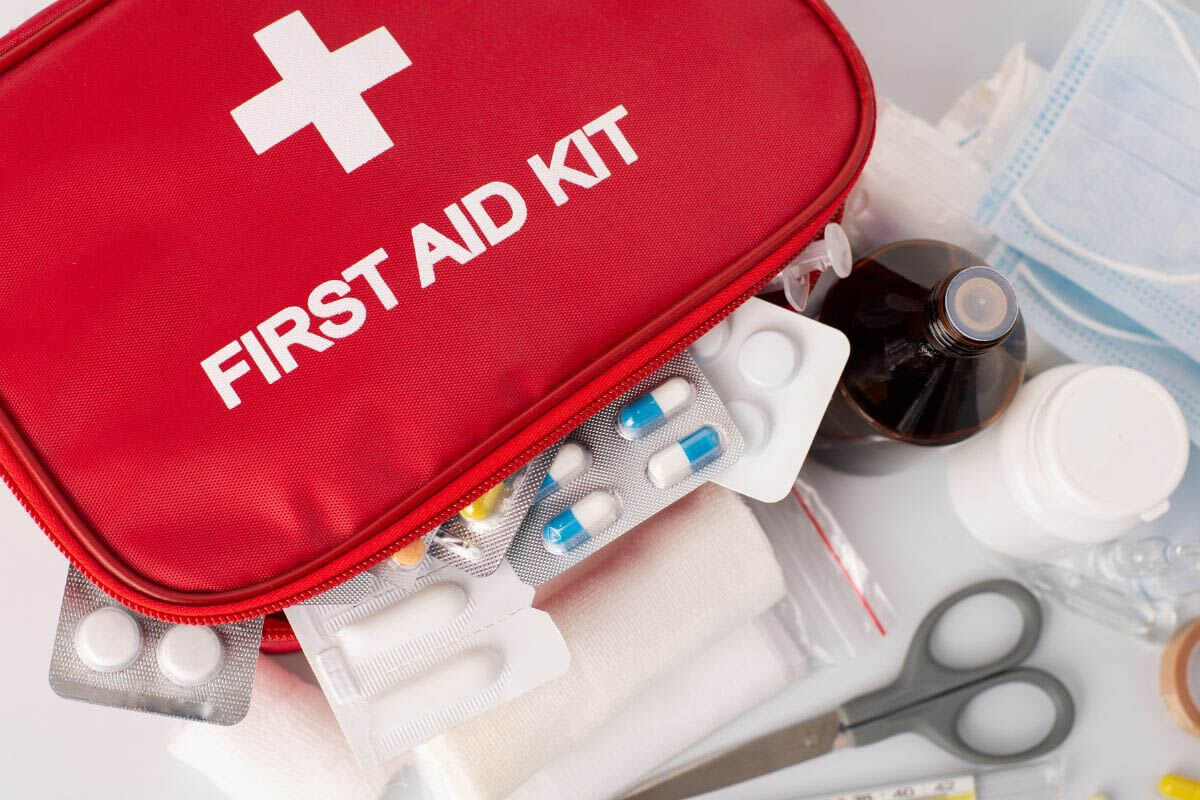
A workplace first aid kit should generally contain appropriate supplies for common injuries.
Depending on the workplace environment, these may include:
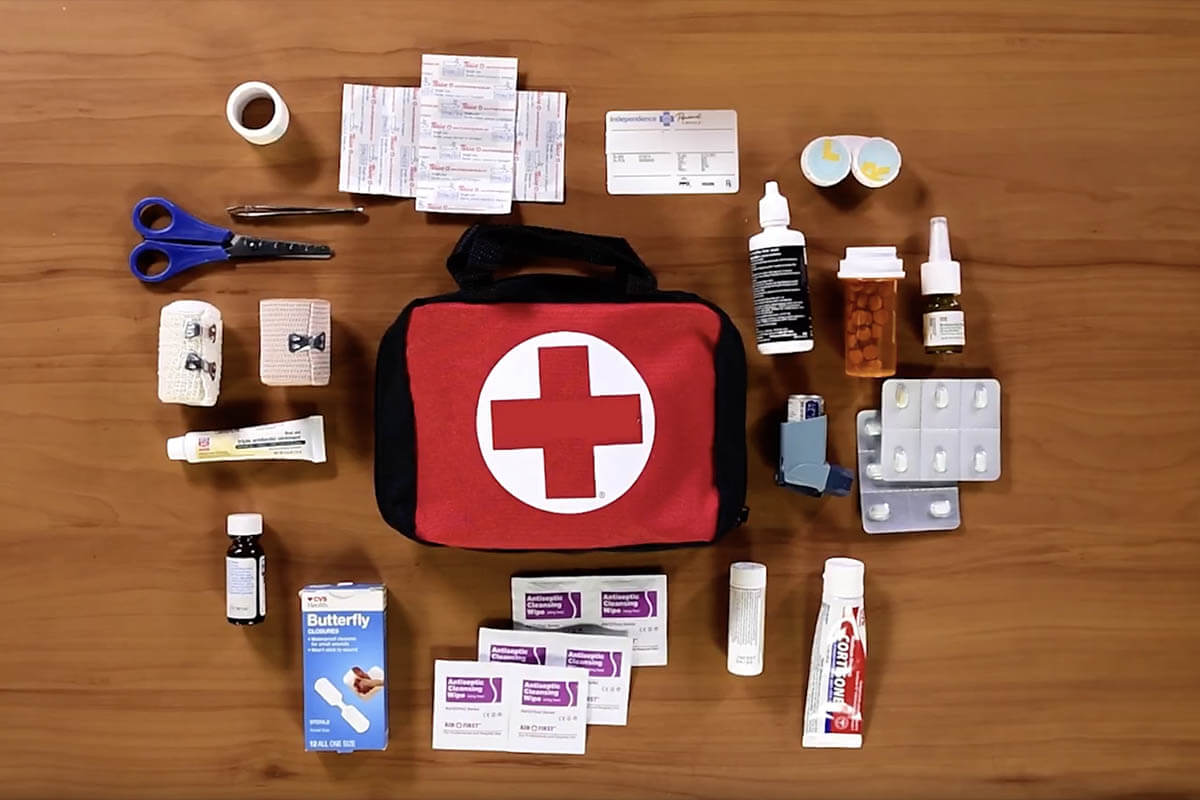
- Adhesive bandages
- Sterile gauze
- Medical dressings
- Medical tape
- Elastic bandages
- Disposable gloves
- Medical scissors
- Appropriate wound-care supplies
The exact contents should be selected according to the workplace risk assessment and applicable safety requirements.
For example, a manufacturing facility may require a different configuration from a corporate office.
4. Consider Specialized Emergency Supplies
Some workplaces have risks that require more specialized emergency equipment.
For higher-risk environments, the kit may require items such as:
- Emergency bandages
- Hemostatic gauze
- Tourniquets
- Chest seals
- Trauma-focused dressings
- Emergency blankets
- Other application-specific supplies
Risenmed’s current first aid product range includes emergency bandages, CAT tourniquets, hemostatic gauze, chest seals, bandage shears, emergency blankets, and other first aid accessories.
These specialized products should be selected according to the actual application and should be used by appropriately trained personnel where required.
5. Make the Kit Easy to Identify
During an emergency, employees should be able to locate the first aid kit quickly.
The container should therefore be:
- Clearly identifiable
- Easy to access
- Appropriately labeled
- Stored in a known location
Avoid placing a first aid kit behind unnecessary obstacles or in an area that employees cannot easily reach.
For larger workplaces, signs can also help employees identify the nearest first aid station.
6. Keep First Aid Supplies Organized
A disorganized first aid kit can create unnecessary delays.
Supplies should ideally be arranged into logical categories.
For example:
Wound Care
Gauze, bandages, dressings, tape.
Protection
Disposable gloves and other protective items.
Tools
Scissors and other appropriate equipment.
Emergency Supplies
Specialized items required for the workplace environment.
Clear internal organization makes it easier to find the right product quickly.
For professional or customized kits, manufacturers can also design internal compartments according to the required contents.
7. Consider Durability and Storage Conditions
The first aid kit itself should be suitable for the workplace environment.
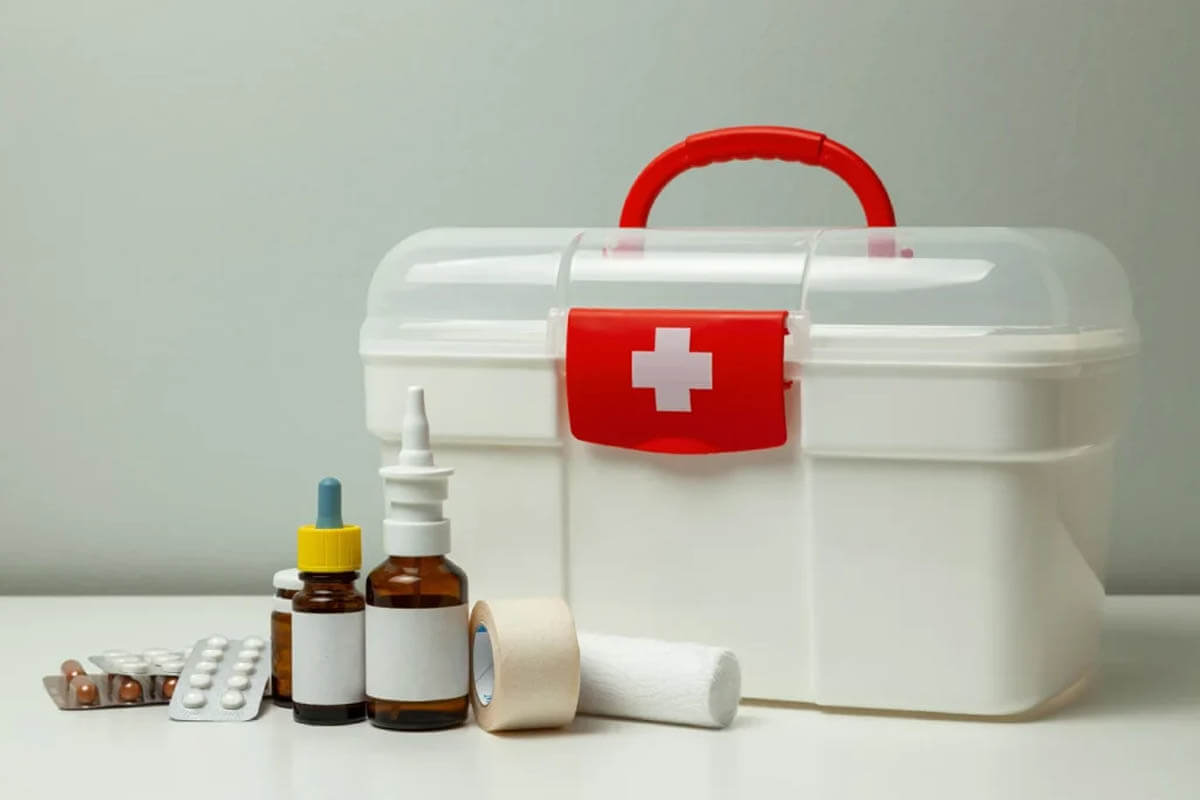
An office may only require a lightweight storage case, while a factory, warehouse, construction site, or outdoor workplace may require a more durable solution.
Consider:
- Material
- Size
- Portability
- Storage conditions
- Resistance to everyday wear
- Internal organization
- Ease of cleaning
- Protection of the contents
Risenmed’s current first aid product range includes EVA cases and different first aid bag designs intended for different applications.
The right case helps protect the contents while making the kit easier to transport and use.
8. Consider Custom First Aid Kits for Your Business
Standard first aid kits are convenient, but they may not always match the needs of a specific organization.
This is where custom first aid kits can provide additional flexibility.
Businesses may want to customize:
- First aid kit contents
- Bag design
- Colors
- Company logo
- Packaging
- Internal compartments
- Labels
- Product combinations
- Quantity
For example, a construction company may require a different configuration from a corporate office, while an industrial distributor may need a private-label product designed for its customers.
Risenmed states that first aid kit accessories and configurations can be customized according to customer requirements.
Customization allows businesses to create a solution around their actual application rather than selecting a generic kit.
9. Create a First Aid Kit Inspection Routine
A workplace first aid kit should be inspected regularly.
Simply purchasing a kit does not guarantee that it will remain ready for use.
During an inspection, check:
- Are essential supplies still present?
- Have any products been used?
- Are packages damaged?
- Are products within their applicable expiry dates?
- Is the case still in good condition?
- Does the kit still match workplace requirements?
After any incident where supplies are used, missing items should be replaced as soon as practical.
Organizations can assign a responsible person or safety team to manage these inspections.
10. Train Employees and First Aid Personnel
A first aid kit is only one part of workplace emergency preparedness.
Employees should know:
Where is the first aid kit?
Who is responsible for first aid?
How can emergency services be contacted?
What should employees do during a serious incident?
Where appropriate, designated employees should receive relevant first aid training.
The purpose of training is not to turn every employee into a medical professional. Instead, it helps the organization establish a clear response process until qualified medical assistance becomes available.
For serious injuries or medical emergencies, professional emergency medical services should always be contacted appropriately.
Workplace First Aid Kit: Basic Checklist
When selecting a workplace first aid kit, consider the following:
Basic Supplies
- Adhesive bandages
- Sterile gauze
- Medical dressings
- Medical tape
- Disposable gloves
- Scissors
Additional Supplies
- Elastic bandages
- Emergency blankets
- Appropriate wound-care products
- Additional protective supplies
Specialized Applications
Depending on workplace risks:
- Tourniquets
- Hemostatic gauze
- Chest seals
- Emergency bandages
- Trauma-related supplies
The final contents should always be based on the specific workplace environment and applicable requirements.
Standard vs. Custom Workplace First Aid Kits
Choosing between a standard and customized kit depends on the organization.
Standard Kit
A standard workplace kit may be suitable for:
- Small offices
- Retail businesses
- General workplaces
- Basic emergency preparedness
Custom Kit
A customized kit may be more appropriate for:
- Factories
- Construction companies
- Warehouses
- Logistics companies
- Industrial organizations
- Large corporate facilities
- Distributors
- Private-label brands
Custom solutions can provide greater flexibility over the kit’s contents, packaging, branding, and organization.
What Makes a Reliable First Aid Kit Supplier?
For businesses purchasing first aid kits in larger quantities, the supplier is an important part of the decision.
Look for a manufacturer or supplier that can provide:
Product Range
A broad range of first aid kits and accessories makes it easier to develop application-specific solutions.
Customization
The supplier should be able to discuss custom contents, packaging, and branding where required.
Quality Processes
Ask about manufacturing processes, quality control, and applicable certifications.
Product Documentation
Depending on the product and market, appropriate technical and compliance documentation may be important.
Samples
Requesting samples before placing a large order can help buyers evaluate the product and packaging.
Reliable Communication
Clear communication throughout product development, production, and delivery can make the procurement process much smoother.
Risenmed currently presents itself as a professional first aid kit manufacturer in China and offers military, household, and accessory solutions, with customization available for first aid kit configurations.
Building a Safer Workplace Starts With Preparation
Workplace safety is a continuous process.
Safety training, protective equipment, emergency procedures, and first aid supplies all contribute to a more prepared workplace environment.
A properly selected workplace first aid kit will not prevent accidents from happening, but it can help employees access appropriate first aid supplies when an injury occurs.
The most effective approach is to:
- Identify workplace risks.
- Determine the appropriate first aid supplies.
- Choose suitable kit sizes and locations.
- Keep supplies organized.
- Inspect the kits regularly.
- Replace used or unsuitable supplies.
- Train appropriate personnel.
- Review the emergency plan periodically.
Conclusion
A reliable workplace first aid kit should be more than a box of random medical supplies.
It should be selected around the workplace’s actual risks, employee numbers, environment, and emergency preparedness requirements.
For a small office, a compact standard kit may be sufficient. For factories, warehouses, construction sites, and other higher-risk environments, a more comprehensive or customized solution may be appropriate.
Businesses should also consider the quality of the kit itself, the durability of its case, the organization of its contents, and the reliability of the manufacturer or supplier.
For organizations with specific requirements, a custom first aid kit can provide additional flexibility in contents, packaging, branding, and configuration.
Risenmed provides a range of first aid kits and emergency accessories and supports customized first aid kit configurations for different customer requirements.
Looking for workplace first aid kits or customized emergency solutions for your organization?
SEO FAQ
What should a workplace first aid kit contain?
A workplace first aid kit may contain bandages, sterile gauze, dressings, medical tape, gloves, scissors, and other supplies selected according to workplace risks and applicable requirements.
How many first aid kits does a workplace need?
The number depends on workplace size, employee numbers, layout, risks, and applicable safety requirements. Larger workplaces may need multiple strategically located kits.
Can a workplace first aid kit be customized?
Yes. Contents, packaging, bag design, branding, labels, and configurations can potentially be customized according to business requirements.
How often should a workplace first aid kit be inspected?
It should be checked regularly and after use to ensure essential supplies are available, packaging is intact, and the contents remain appropriate.
Where should a workplace first aid kit be stored?
It should be kept in a clearly identified, accessible location known to employees and appropriate for the workplace environment.